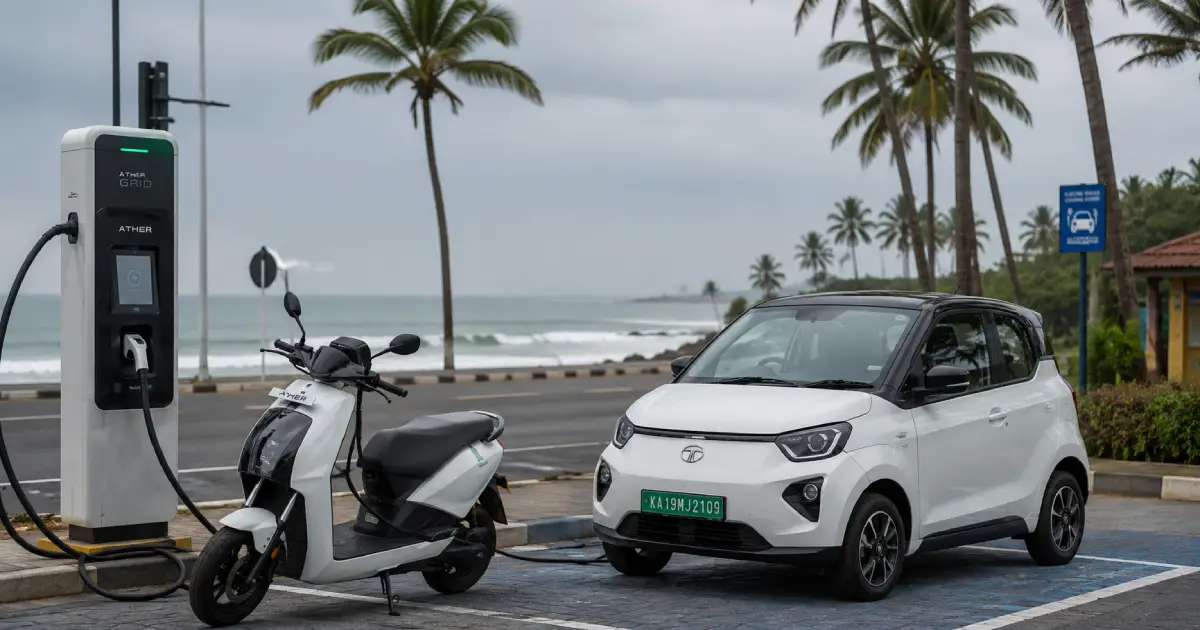
Why EV Is a Strong Opportunity in Coastal Karnataka (2026 Guide)
Coastal Karnataka's charging infrastructure, port logistics, and policy shifts are creating real EV business openings in 2026. Here's where the opportunity actually lies.
Introduction
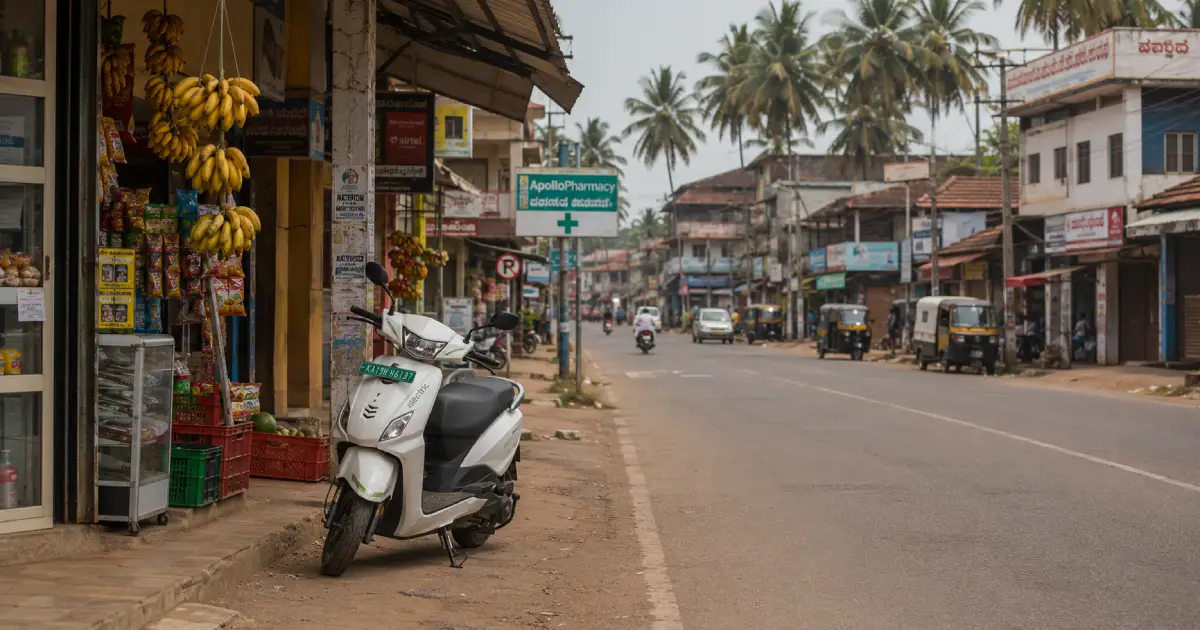
Coastal Karnataka is not the first region that comes to mind when people talk about India's electric vehicle boom. Bengaluru usually takes that spotlight, along with Delhi and the manufacturing clusters coming up around Dharwad and Chikkaballapur. But look closely at Mangaluru, Udupi, and the wider Dakshina Kannada belt, and a different kind of opportunity starts to appear.
This is a region with an unusually well-developed charging network for its size, a major port generating steady logistics demand, and a coastal highway corridor that sees constant vehicle movement. At the same time, Karnataka's EV policy landscape changed meaningfully in 2026, and any honest conversation about opportunity here needs to account for that change rather than ignore it.
This article looks at what is actually happening on the ground in Coastal Karnataka, what changed in the state's EV taxation this year, and where the realistic business openings lie for entrepreneurs, dealers, fleet operators, and service providers.
What Is Driving the EV Shift in Karnataka?
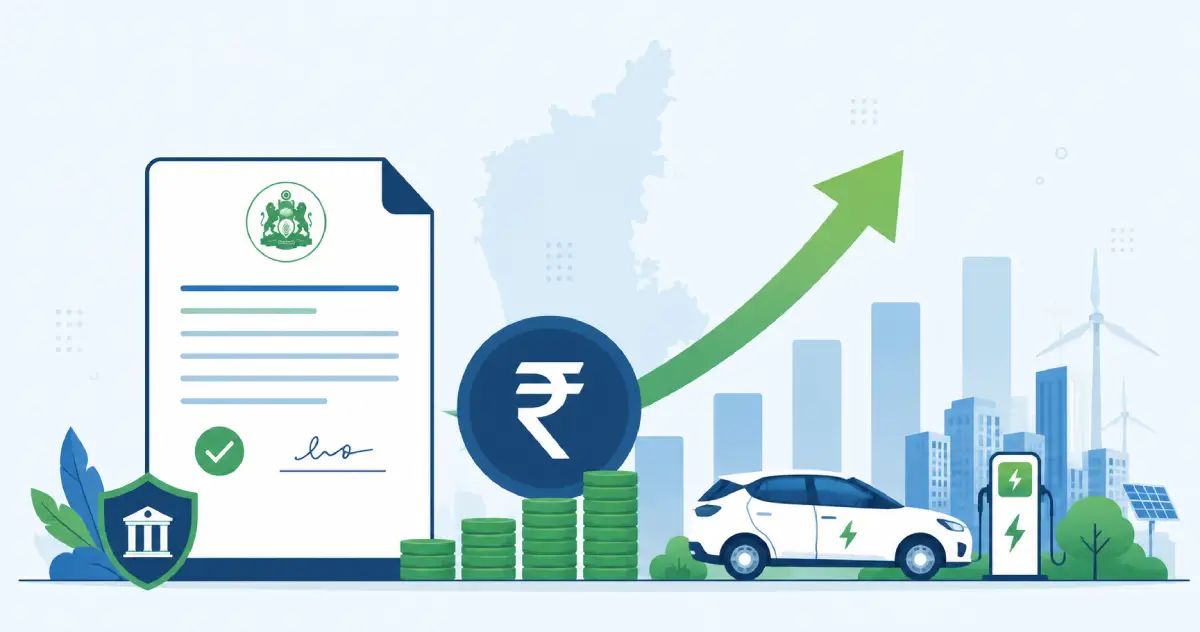
Karnataka was the first Indian state to introduce a dedicated EV policy, back in 2017. That early move attracted roughly ₹25,000 crore in investment and helped the state build one of the country's more mature EV ecosystems. The current framework, the Clean Mobility Policy 2025–30, builds on that foundation with a much larger ambition.
The Clean Mobility Policy 2025–30, in Plain English
The policy targets ₹50,000 crore in fresh investment and around 1 lakh new jobs by 2030. It covers more than just electric cars and scooters — it also includes green hydrogen, battery manufacturing, and energy storage. For businesses, the most relevant parts are the incentives: capital investment subsidies ranging from 20% to 35% for MSMEs and up to 25% for larger enterprises, a 100% exemption on electricity duty for the first five years in eligible zones, and full reimbursement of land conversion fees along with stamp duty exemptions on land transactions.
The policy also earmarks ₹3,400 crore for Battery Energy Storage Systems, which matters because grid readiness — not vehicle demand — is often the real bottleneck for charging infrastructure expansion.
What Changed in April 2026 (and Why It Doesn't Kill the Opportunity)
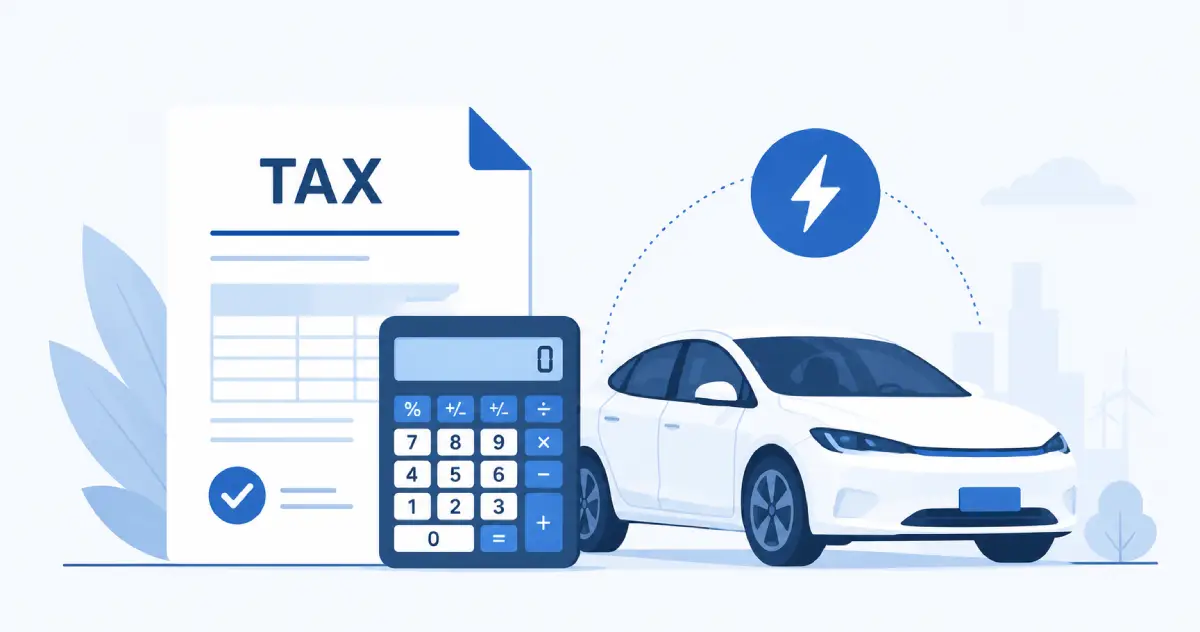
Here is the part many articles gloss over. From April 1, 2026, Karnataka ended its long-standing 100% road tax exemption for electric four-wheelers. Under the new tiered lifetime tax structure, electric cars priced up to ₹10 lakh attract a 5% lifetime tax, vehicles between ₹10 lakh and ₹25 lakh attract 8%, and anything above ₹25 lakh attracts 10%.
This is a real shift, and it has raised valid concerns among industry watchers who worry it could soften demand for higher-end electric cars. However, two things are worth noting. First, electric two-wheelers — which account for the overwhelming majority of EV sales in Karnataka — remain fully exempt from this tax. Second, even with the added tax, electric vehicles still carry meaningfully lower running costs than petrol or diesel equivalents, so the long-term economics have not disappeared, only the upfront math has changed slightly for buyers evaluating higher-priced cars.
For entrepreneurs, this means the two-wheeler, three-wheeler, charging, and service segments remain the most immediately attractive entry points in 2026, while the four-wheeler dealership opportunity requires a more careful, longer-horizon view.
Why Coastal Karnataka Is a Distinct Market
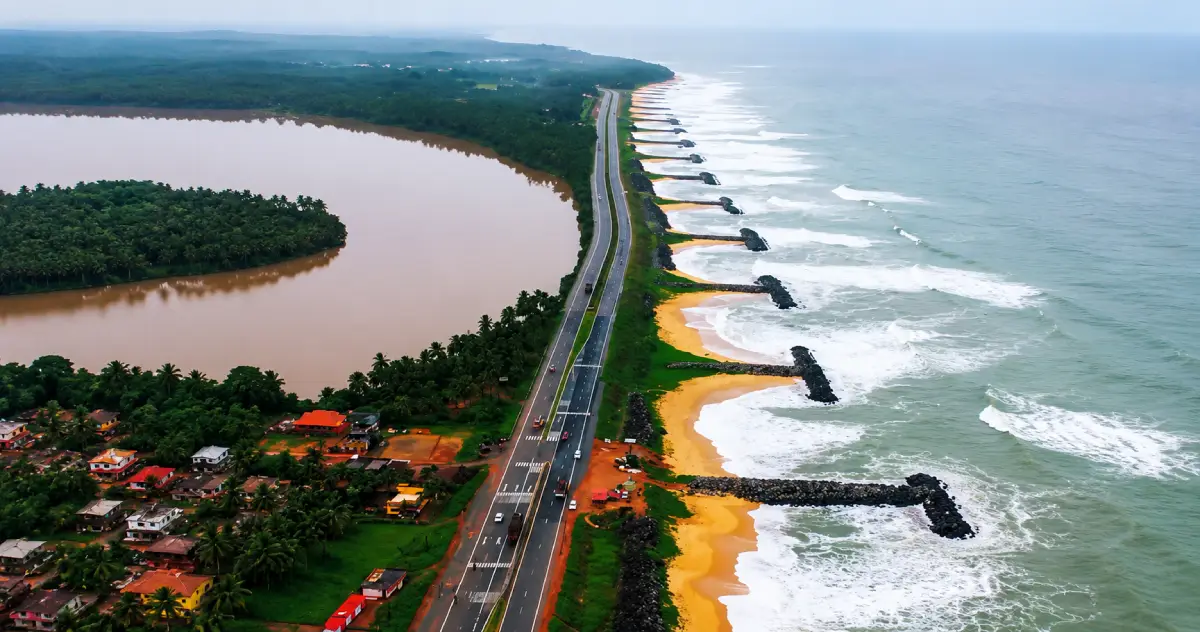
Most national commentary on India's EV opportunity treats the country as one market. Coastal Karnataka has its own characteristics that are worth separating out, and understanding this Mangaluru business landscape closely is the first step for anyone evaluating the region.
Mangaluru's Existing Charging Infrastructure Advantage
Mangaluru already has more than 60 public charging points spread across several networks — Statiq, Tata Power EZ Charge, MESCOM's government-run stations, and Ather Grid for two-wheelers. That is a strong base for a city of its size, and it matters because charging availability is usually the single biggest factor holding back EV adoption outside major metros. MESCOM's government stations also offer some of the lowest per-unit charging rates in the state, which keeps running costs attractive for both private owners and commercial fleets.
The NH66 Corridor and Inter-City Travel Demand
The coastal highway connecting Mangaluru, Udupi, Kundapura, and onward toward Karwar carries steady inter-city traffic. As charging density improves along this corridor, it opens a genuine opportunity for highway-side charging hubs, similar to how fuel stations built their networks decades ago, but with an added advantage: EV charging stops naturally encourage longer dwell times, which benefits co-located cafés, restaurants, and retail.
New Mangalore Port and Commercial Electrification Potential
New Mangalore Port generates consistent logistics and short-haul transport activity in the surrounding industrial belt. As e-commerce, courier, and last-mile delivery operators across India increasingly look at fleet electrification to cut fuel and maintenance costs, ports and industrial clusters are natural early adopters because their routes are predictable and their vehicles run every day. This is an opportunity area for Coastal Karnataka that has not yet been widely discussed, and it deserves more attention from local logistics operators and fleet owners.
Where the Real Business Opportunities Are
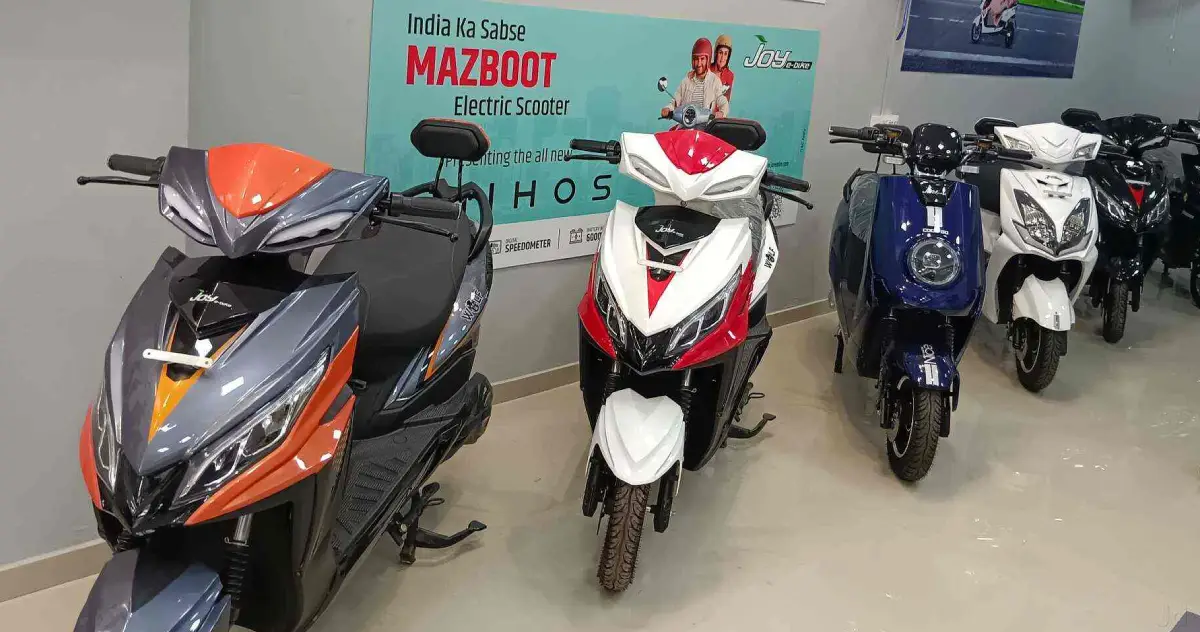
With the policy context and regional factors in mind, here are the segments that currently make the most practical sense for entrepreneurs looking at Coastal Karnataka specifically. Businesses already operating in the automobile showroom industry are especially well positioned to expand into these segments, since they already understand vehicle sales, financing, and after-sales service.
Electric Two-Wheeler Dealerships
Two-wheelers remain the largest and fastest-growing segment of India's EV market, and they continue to enjoy full tax exemption in Karnataka. Entry costs for a scooter dealership typically start around ₹10 lakh, depending on inventory and showroom size, making this one of the more accessible ways to enter the sector.
EV Charging Station Operators
There is room for both models here. Smaller AC charging setups, suited to apartment complexes, offices, and local businesses, require lower capital and can be rolled out across Mangaluru and Udupi's growing residential and commercial developments. Larger DC fast-charging hubs along NH66 need significantly higher investment but serve the inter-city travel demand mentioned earlier.
Fleet and Last-Mile Delivery Electrification
Businesses running delivery, courier, or short-haul logistics fleets around Mangaluru's commercial and port areas can benefit from lower per-kilometre running costs by shifting to electric two- and three-wheelers, particularly on predictable, repeated routes.
EV Service, Repair, and Battery Health Centres
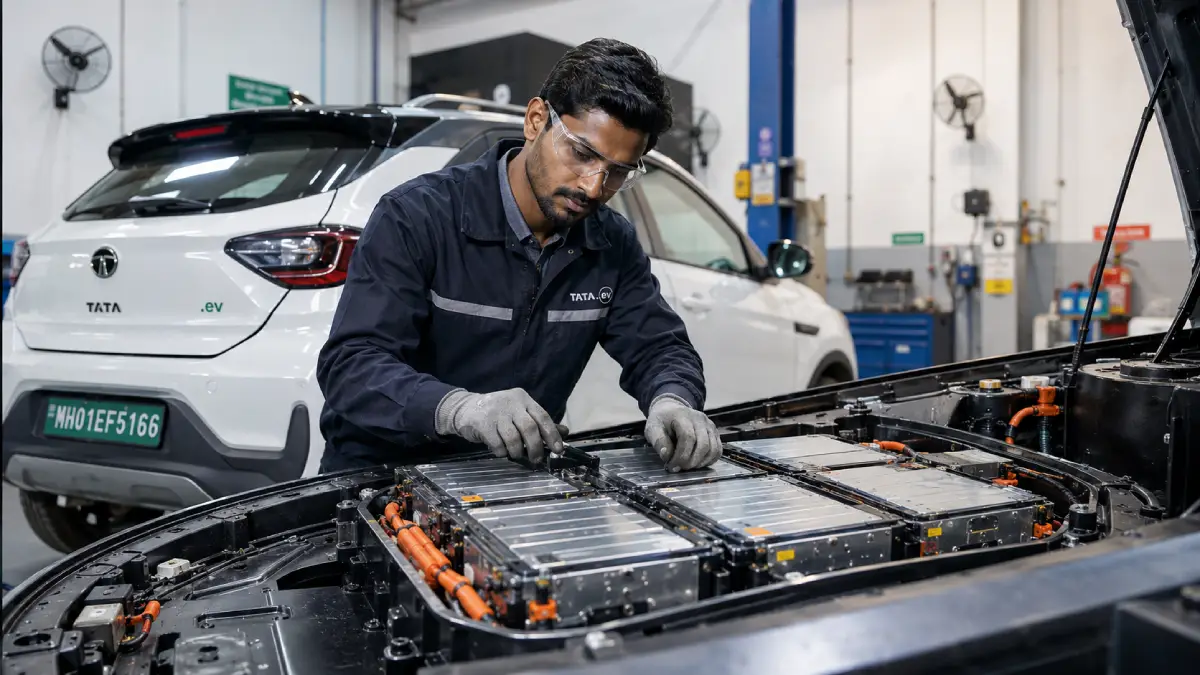
As the region's EV base grows, so does the need for trained technicians and dedicated service infrastructure. This segment typically requires lower capital than a dealership and depends more on technical skill than inventory, making it a strong option for individuals with an automotive or electrical background.
E-Rickshaw and Three-Wheeler Franchises
For local passenger and goods transport in and around Coastal Karnataka's towns, electric three-wheelers offer drivers a genuine income advantage through lower running costs, which tends to create steady, recurring demand for dealers and franchise operators in this category.
Investment Ranges and Realistic Timelines
The table below reflects commonly reported national investment ranges for these business models. Coastal Karnataka-specific figures are not separately published, so treat these as indicative starting points rather than fixed local numbers.
| Business Model | Approximate Investment | Typical Break-Even | Best Suited For |
|---|---|---|---|
| Electric two-wheeler dealership | ₹10–20 lakh | 4–6 months to a few years, depending on volume | First-time entrepreneurs, existing automobile dealers |
| Electric rickshaw / three-wheeler franchise | ₹5.5–7 lakh | Faster, driven by daily driver income cycles | Small investors, local transport operators |
| AC charging station (housing societies, offices) | Moderate, lower than DC fast-charging | Medium-term, depends on utilisation | Local businesses, property owners |
| DC fast-charging hub (highway/commercial) | Tens of lakhs, depending on site and power capacity | 2–4 years typically | Established investors, fuel station operators |
| EV service and repair centre | Lower than dealership investment | Depends on technician capacity and local demand | Automotive technicians, service professionals |
Two-wheeler-focused businesses currently offer the fastest, lowest-risk entry into Coastal Karnataka's EV market, largely because they remain tax-exempt and align with the segment already driving the bulk of demand.
Karnataka's 2026 EV Tax Structure at a Glance
| Vehicle Price Band | Lifetime Tax (From April 2026) | Notes |
|---|---|---|
| Electric two-wheelers (any price) | 0% (fully exempt) | No change; largest EV segment remains untaxed |
| Up to ₹10 lakh | 5% | Applies to electric cars, jeeps, omni buses |
| ₹10 lakh – ₹25 lakh | 8% | Mid-range electric cars |
| Above ₹25 lakh | 10% | Premium electric vehicles |
This table reflects the framework introduced under the Karnataka Motor Vehicles Taxation (Amendment) Act, 2026. Always confirm current rates with an authorised dealer or the Karnataka Transport Department before making a purchase or business decision, since tax structures can be revised.
Challenges to Plan For Honestly
No serious opportunity assessment should skip the difficulties. A few are worth planning for directly.
Higher Upfront Cost for Four-Wheelers Post-Tax Change
The removal of the four-wheeler tax exemption raises on-road prices, particularly for premium electric cars. Dealers in this segment will need to work harder on financing options and total-cost-of-ownership messaging to keep conversions steady.
Charging Uptime and Grid Readiness Outside City Centres
While Mangaluru's charging network is strong for its size, smaller towns and rural stretches of Coastal Karnataka still have gaps. Businesses planning charging infrastructure outside the main city should factor in grid capacity and power connection timelines before committing to a site.
Skilled Technician Shortage
EV repair and battery diagnostics require different skills than conventional automotive servicing. Service-based businesses should budget for technician training as part of their setup, not as an afterthought.
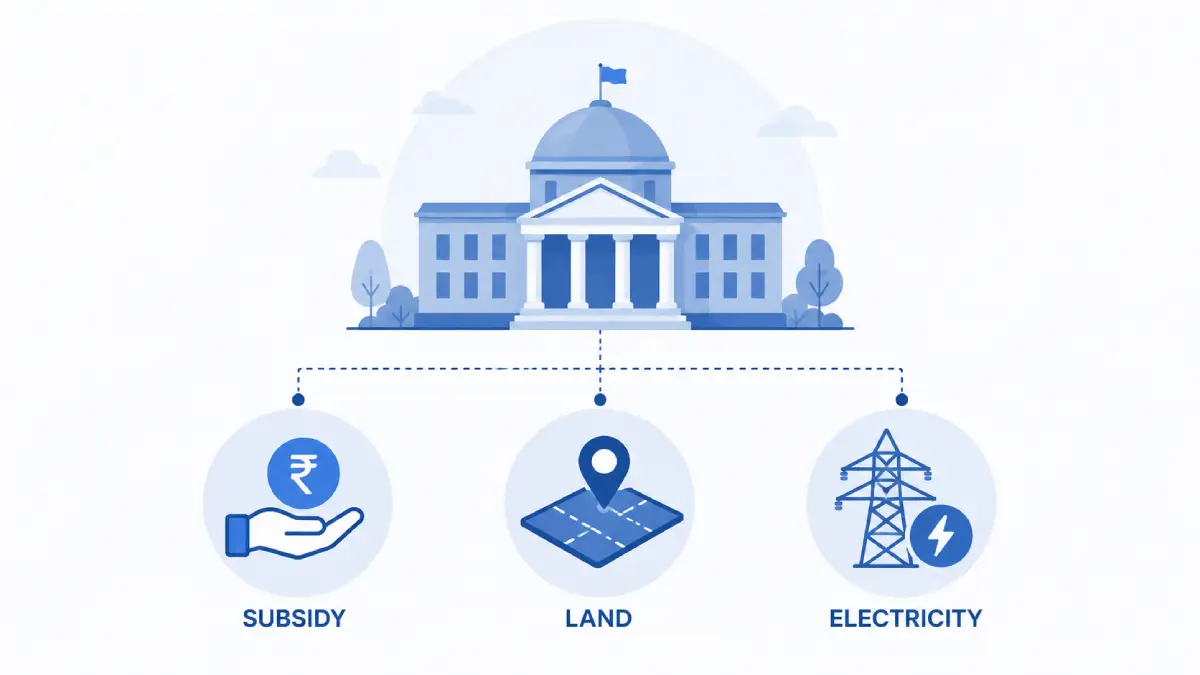
Government Support Worth Knowing About
Beyond the taxation changes, several elements of the Clean Mobility Policy 2025–30 apply directly to businesses setting up in Coastal Karnataka:
- Capital investment subsidies of 20–35% for MSMEs setting up EV-related manufacturing or infrastructure units.
- 100% exemption on electricity duty for the first five years in eligible industrial zones.
- Full reimbursement of land conversion fees and stamp duty exemption on land lease or sale for qualifying projects.
- Capital subsidy support for charge point operators setting up fast-charging infrastructure, as outlined under the state's charging expansion plans.
These benefits are generally structured for manufacturing and larger infrastructure investments rather than small dealerships or service centres, so it is worth consulting the official policy documentation or a qualified advisor to confirm eligibility for your specific business model.

How to Evaluate If This Is the Right Time for Your Business
Rather than treating every EV-related business as automatically promising, it helps to ask a few grounded questions before committing capital:
- Does your chosen segment (two-wheeler, charging, service, fleet) still enjoy favourable tax treatment in Karnataka?
- Is your target location along a high-traffic corridor like NH66, or in a residential/commercial area with genuine daily EV usage?
- Do you have access to trained technical staff, or a plan to train them?
- Have you checked current subsidy eligibility rather than relying on older policy figures?
- Does your business model depend on volume (dealership) or utilisation (charging), and have you sized your investment accordingly?
Coastal Karnataka's advantages — existing charging density, port-driven logistics demand, and a well-travelled highway corridor — are real. But like any regional market, success depends on matching the right business model to the right location and customer base, not simply entering the sector because it is growing nationally.
How NammoraX Can Help
Entering the EV business in Coastal Karnataka is not just about vehicles, chargers, or subsidies. It is also about being visible to the right customers at the right moment — whether that is someone searching for an EV dealership in Mangaluru, a business comparing charging station operators, or a logistics company researching fleet electrification partners.
NammoraX already works with automobile showrooms and dealers across Mangalore and Udupi, including two-wheeler and EV-specific dealers, on model-specific SEO, Google Ads, and WhatsApp test-drive automation that turns online research into showroom visits. For EV dealerships and charging station operators, this includes fast, mobile-first websites built around vehicle inventory and EMI calculators, local SEO to rank for searches specific to Mangaluru, Udupi, and the wider coastal region, and digital marketing campaigns that reach both individual EV buyers and commercial fleet decision-makers.
About NammoraX
NammoraX is a digital marketing and web design agency headquartered in Puttur, Dakshina Kannada, Karnataka, helping businesses across Karnataka and Kerala grow online. We work closely with automobile dealers, showrooms, and service providers — including the emerging EV segment — building websites, running Google and Meta ad campaigns, and setting up WhatsApp automation that converts online research into real showroom visits and test drive bookings.
Frequently Asked Questions
Is EV still a good business opportunity in Karnataka after the 2026 tax change?
Yes, particularly for two-wheelers, charging infrastructure, and service businesses, which remain largely unaffected by the new tax. The four-wheeler segment now requires more careful financial planning due to the added lifetime tax.
Are electric two-wheelers still tax-free in Karnataka?
Yes. The 2026 taxation amendment applies only to electric four-wheelers, omni buses, and private service vehicles. Electric two-wheelers remain fully exempt from lifetime tax.
How much does it cost to start an EV charging station in Coastal Karnataka?
Costs vary widely by charger type. Smaller AC charging setups for housing societies or offices need moderate investment, while DC fast-charging hubs suited to highway locations can run into tens of lakhs depending on power capacity and site preparation.
What government subsidies apply to EV businesses in Coastal Karnataka?
Under Karnataka's Clean Mobility Policy 2025–30, eligible MSMEs and larger enterprises can access capital investment subsidies, electricity duty exemptions, and land-related fee waivers. Eligibility depends on the scale and nature of the project, so it is best confirmed with official policy documentation.
Is Coastal Karnataka a good market for EV fleet or logistics electrification?
The presence of New Mangalore Port and consistent short-haul logistics activity in the surrounding industrial belt makes fleet electrification a reasonable option for businesses running predictable daily routes, though this remains an emerging rather than established segment in the region.
What is the easiest EV business to start with low investment?
Electric two-wheeler dealerships and e-rickshaw franchises typically require the lowest starting investment among EV business models, along with EV service and repair centres, which depend more on technical skill than large inventory.
How many EV charging stations are there in Mangaluru right now?
Mangaluru has more than 60 public charging points across networks including Statiq, Tata Power EZ Charge, MESCOM government stations, and Ather Grid, as of recent counts. Numbers continue to grow, so it is worth checking current charging apps for the latest figures.
Do I need a manufacturing licence to start an EV-related business?
No. Most EV business models — dealerships, charging stations, service centres, and fleet operations — do not require a manufacturing licence. Manufacturing-specific approvals only apply if you plan to produce vehicles, batteries, or components.